
As a new year and semester begin, schools often take time to reflect on priorities, practices, and goals. Educators and leaders look for ways to strengthen engagement, improve outcomes, and better support students. Yet despite renewed intentions, many schools rely on the same communication habits and routines, often with limited results.
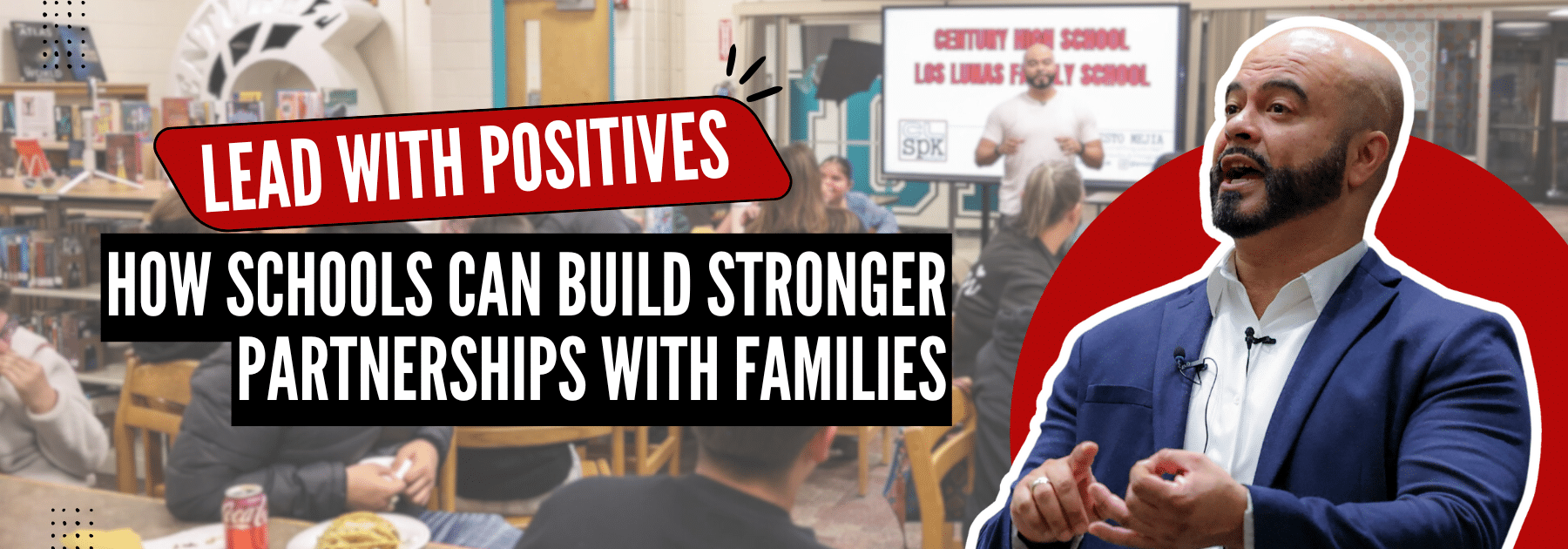
CoolSpeak Family Engagement expert Ernesto Mejía shares effective, sustainable ways schools can improve engagement with families: intentionally leading with positives. When schools focus on sharing good news and recognizing progress, they strengthen trust, improve communication, and deepen partnerships.
Why Leading With Positives Matters for Schools and Families
For many families, communication from schools has historically been associated with challenges such as discipline issues, concerns, or automated notifications. Over time, this pattern can create distance rather than connection. I’ve seen how adults hesitate to engage when communication feels transactional or reactive.
Research and practice consistently show that positive reinforcement plays a critical role in motivation, relationship-building, and well-being by shifting the dynamic. When schools proactively share encouraging updates, families begin to associate school communication with partnership, care, and shared success. These positive interactions build trust and establish a foundation for stronger school–family relationships.
Starting Small: A Sustainable Strategy for Schools
Rather than implementing large-scale initiatives or adding more responsibilities for staff, schools can start with a simple, manageable commitment:
Share positive communication with families twice a week. This communication can be directed toward:
- Parents, grandparents, siblings, and all caregivers
- Students
- Colleagues or school staff
By focusing on consistency instead of volume, schools can build a culture of good news without overwhelming educators.
Strengthening Family Engagement Through Positive Communication
Positive outreach does not need to focus on major achievements. Often, we value recognition of growth and effort just as much as outcomes. Examples include:
- Improved attendance or punctuality
- Increased participation or confidence
- Acts of kindness, leadership, or responsibility
- Steady academic progress
When schools share these moments, families feel seen and valued as partners in their child’s education. This reinforces family engagement and shifts communication from problem-focused to relationship-focused.
Positive communication also affirms families themselves. Many caregivers rarely hear that they are doing a good job. Hearing positive news from schools validates their efforts and strengthens trust between home and school.
Supporting Educators While Reconnecting Schools and Families
Positive communication benefits educators as well. Teaching is a profession where impact is often delayed, and feedback frequently focuses on what needs improvement. When families share affirming messages, such as noticing renewed interest in learning or increased confidence, educators receive timely validation of their work.
This encouragement helps sustain motivation and reinforces the shared responsibility. Strong partnerships are built when communication flows in both directions and recognizes collective effort.
Making Positivity Visible in Schools
Beyond individual communication, schools can embed positivity into daily culture by:
- Publicly recognizing student growth and effort
- Highlighting positive behaviors during announcements or meetings
- Creating simple systems of recognition, such as shout-outs, visuals, or celebrations
For some students, school may be the primary environment where they receive consistent positive reinforcement. Making good news visible helps create inclusive and supportive learning environments that benefit students, families, and staff alike.
Training Schools and Families to Look for Wins
Sustainable family engagement requires shared language and shared focus. Encouraging students and families to identify positive moments helps reinforce a strengths-based mindset.
One effective practice is asking students to reflect on three weekly wins:
- A personal success
- A family-related success
- A school-related success
This approach reinforces the interconnected roles of schools and families in student success and encourages everyone to focus on progress rather than deficits.
Closing the Communication Gap Between Schools and Families
Data consistently show that families value communication with schools and find positive updates motivating. However, many people report receiving limited actionable feedback beyond report cards or formal notices.
This gap represents an opportunity. When schools intentionally communicate strengths, progress, and next steps, adults are more likely to engage, participate, and collaborate. Positive communication transforms family engagement from attendance-based involvement into a meaningful partnership.
Moving Forward Together: Schools and Families as Partners
Leading with positives does not mean ignoring challenges or avoiding accountability. Instead, it creates balance. It builds trust. It strengthens relationships. And it establishes a culture where students, families, and schools feel connected and valued.
As schools move forward this year, committing to intentional positivity, even just twice a week, can:
- Strengthen partnerships
- Improve school-home communication
- Increase engagement across school communities
- Support educator and student well-being
When schools lead with good news, families lean in. And together, we create environments where success is noticed, celebrated, and sustained.
At CoolSpeak, this work sits at the heart of our family engagement approach: strengthening the Golden Triangle of Success by intentionally connecting schools, families, and students through trust, communication, and shared wins.

0 Comments